
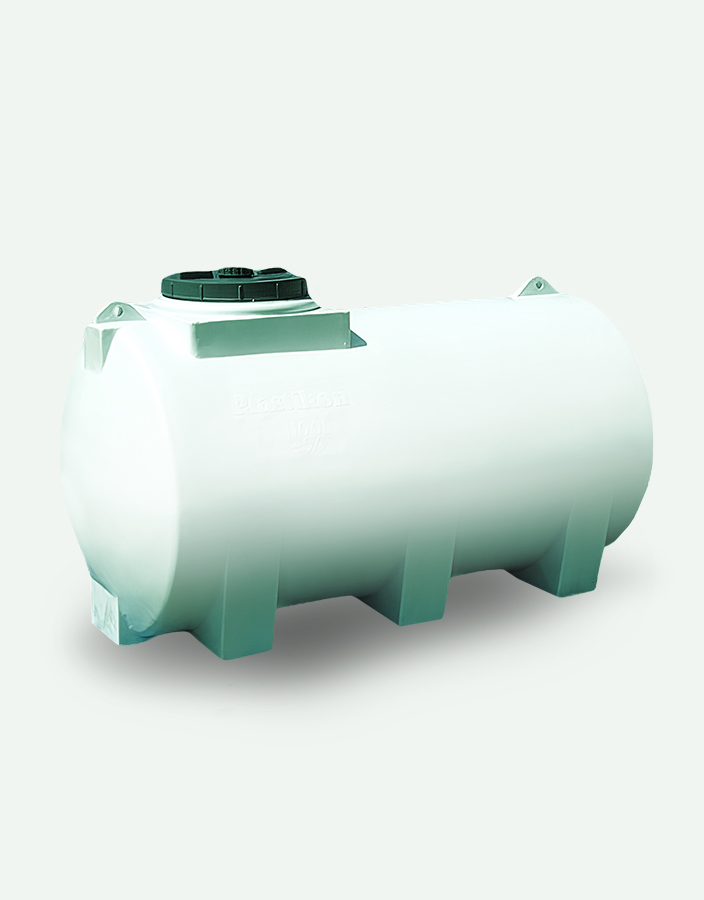
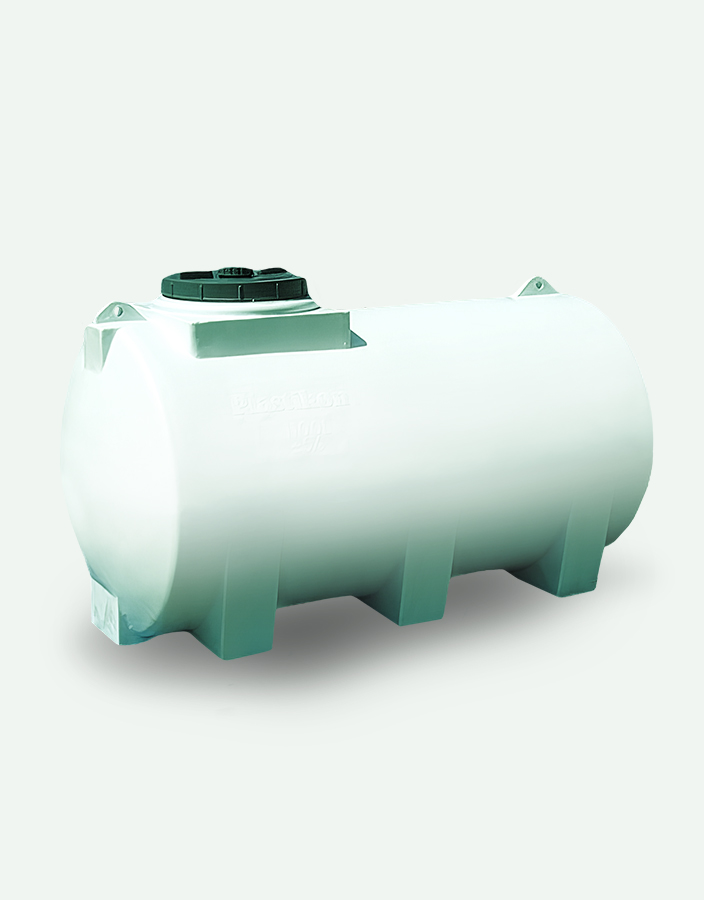

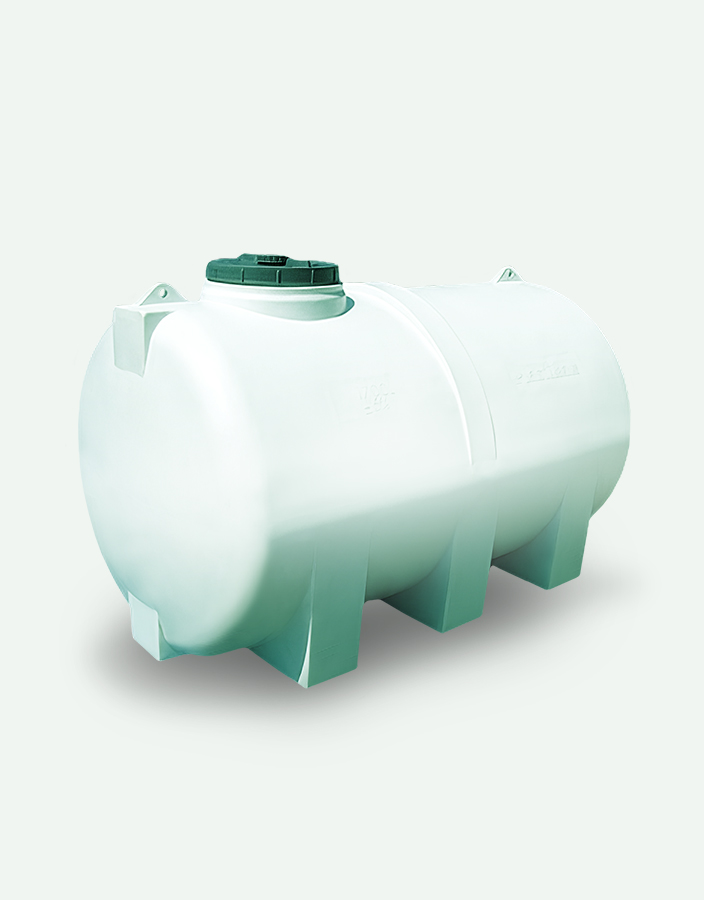
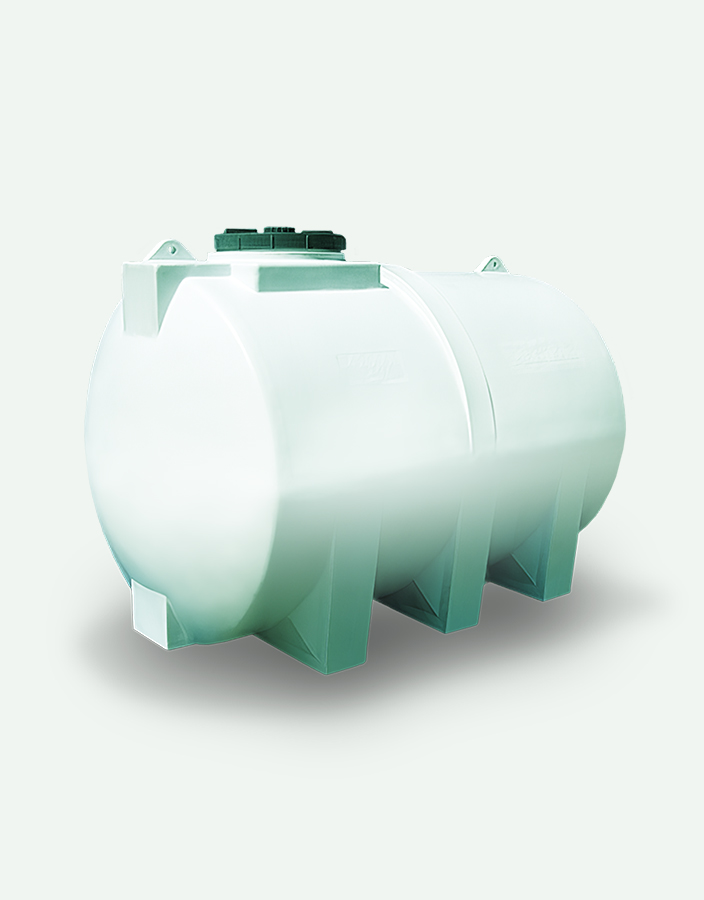
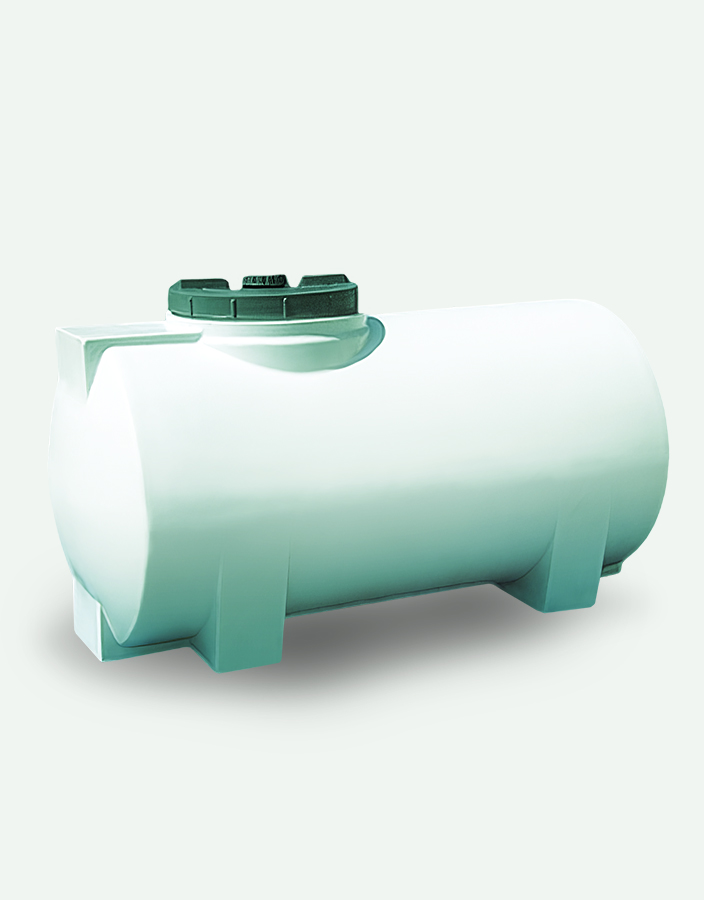

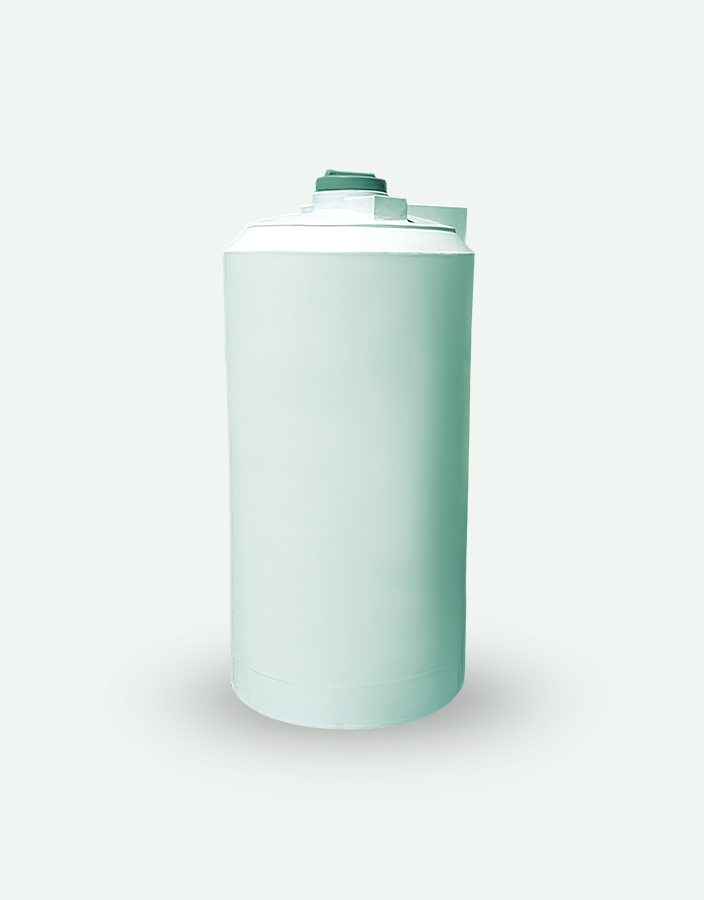
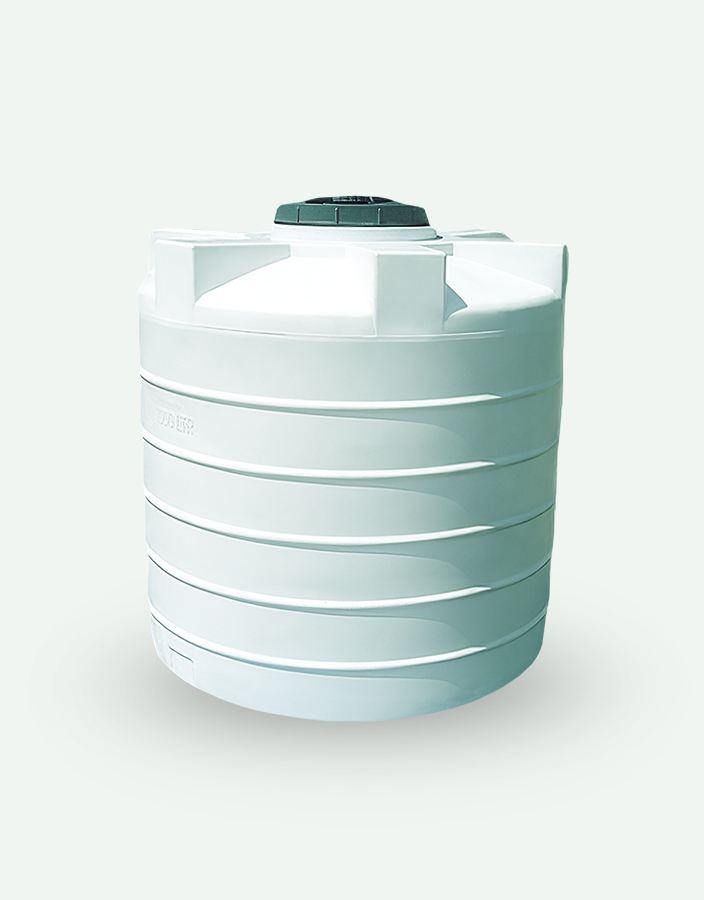

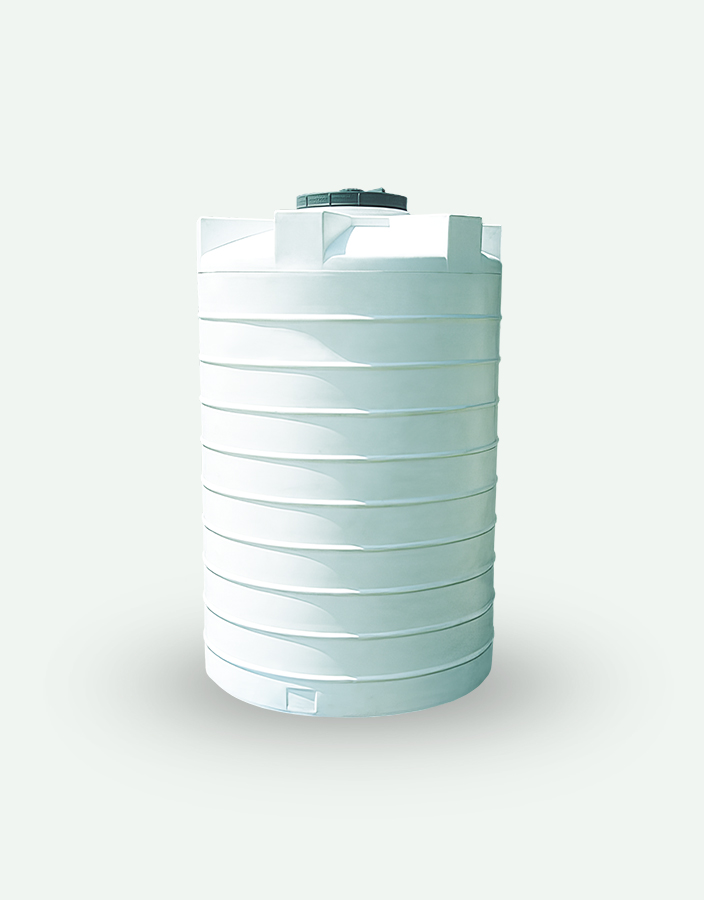
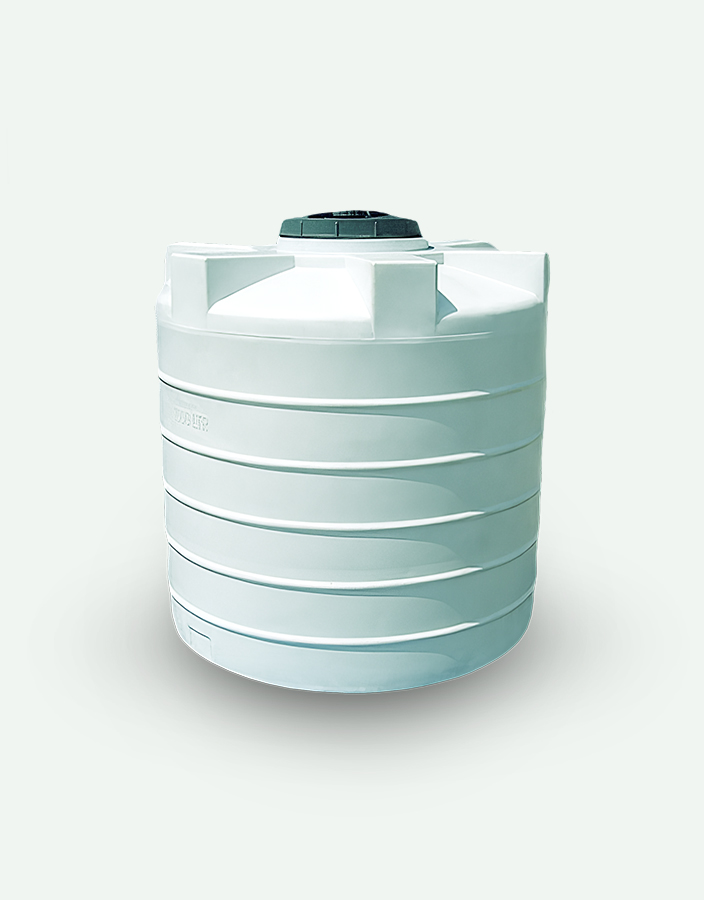
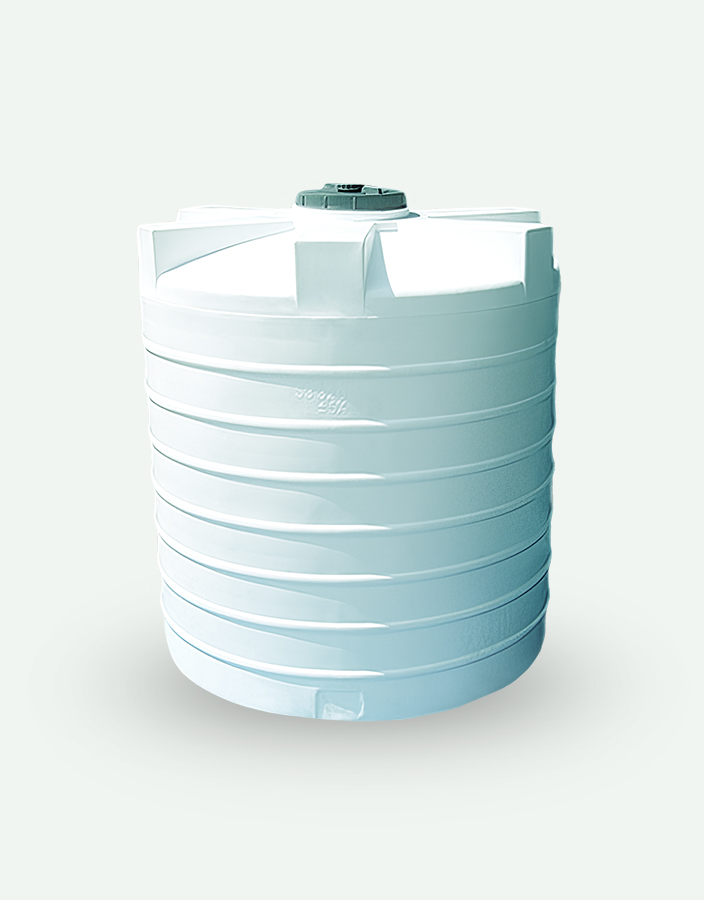


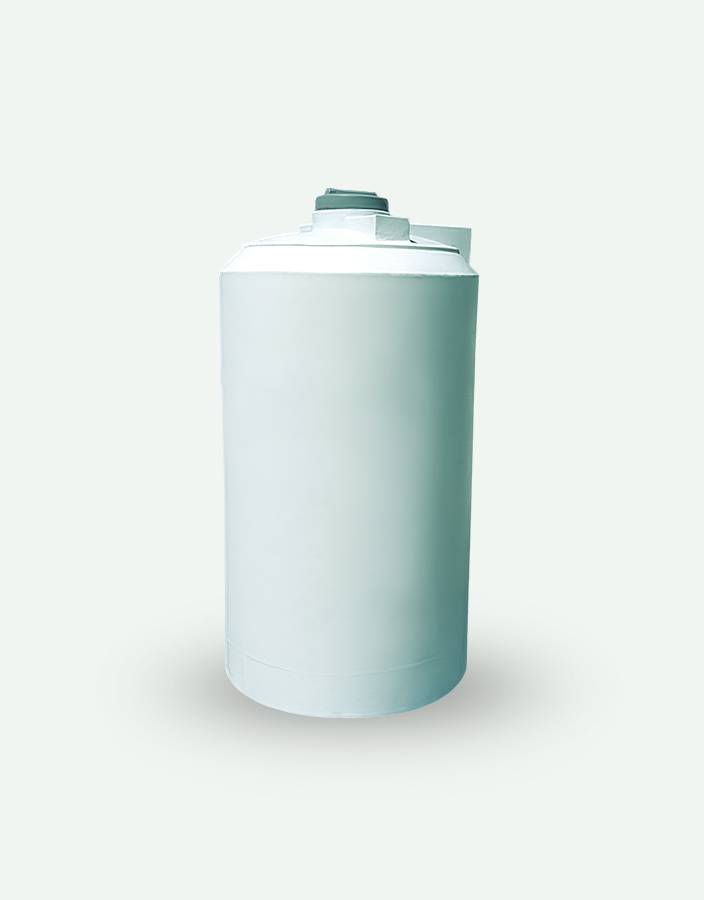
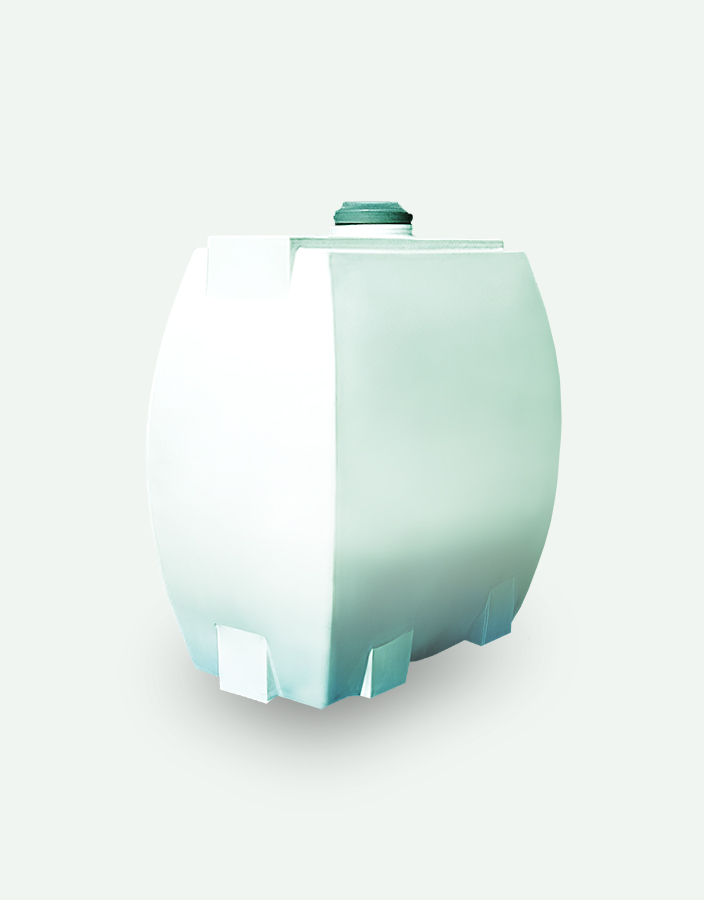
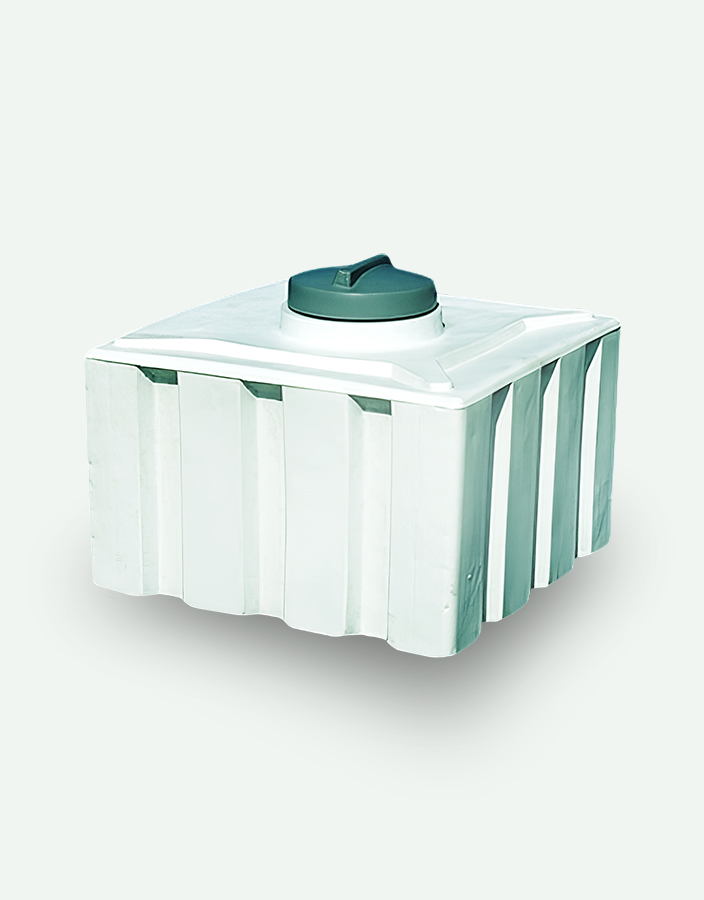

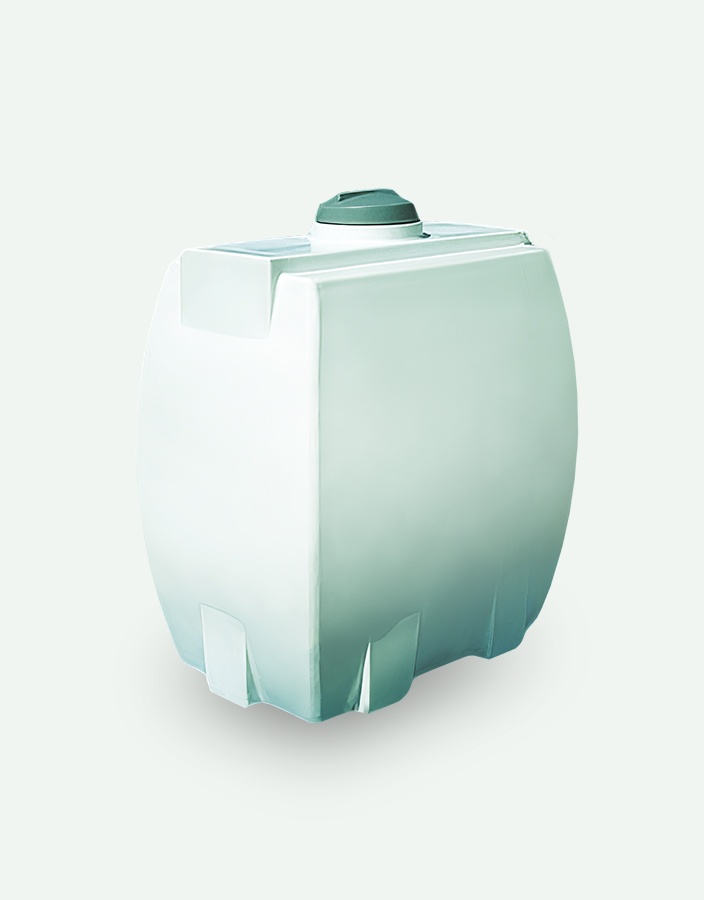
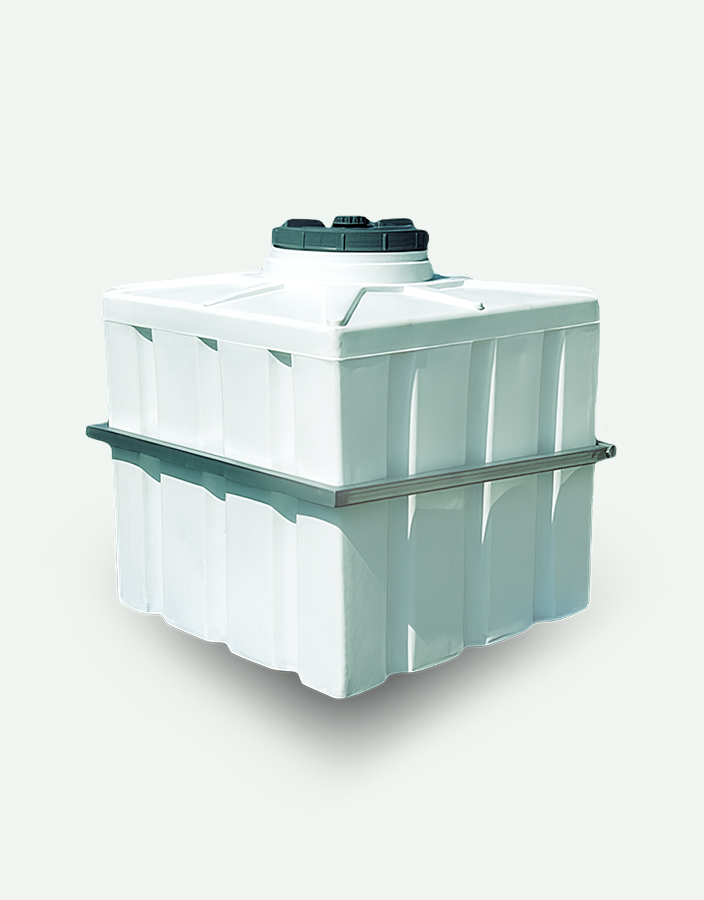
Water storage tanks for homes, buildings and commercial applications in Cyprus. Correct selection is not only about nominal litres: the tank has to suit the actual demand profile, available installation space, water quality requirements and the way it will connect to the rest of the system.
What to check before choosing a tank
Start with the purpose of the storage. A domestic cold-water reserve, a building-services tank and a commercial installation can have different requirements even when the nominal capacity looks similar.
Before selecting a model, confirm:
- required storage capacity and expected demand;
- whether the water is intended for human consumption;
- indoor or outdoor installation;
- available footprint, height and access route;
- connection sizes and connection positions;
- how the tank will be filled and controlled;
- whether it feeds a pump or pressure system;
- overflow, vent, drain and isolation arrangements;
- access for inspection and cleaning;
- the manufacturer's installation requirements.
Avoid relying on one universal litres-per-person rule. Required storage depends on the building, number of users, demand pattern, refill conditions and the service objective of the tank.
Capacity is only one dimension
A tank may have enough nominal volume but still be unsuitable for the available plant room, roof, yard or service area.
Check the complete external dimensions, not only capacity. Allow space for:
- inlet and outlet pipework;
- valves and fittings;
- float or level-control equipment where used;
- overflow and vent routing;
- access to the lid/manhole where applicable;
- cleaning and maintenance;
- pump suction pipework if the tank supplies a booster set.
Also confirm that the supporting surface and surrounding structure are appropriate for the tank when full. Water storage creates substantial permanent load, so the installation location should be assessed before delivery rather than after the tank arrives.
Potable-water use must be confirmed
If the stored water is for human consumption, use a tank and associated components intended for that application and follow the manufacturer's instructions for installation, commissioning and cleaning.
Do not assume suitability from appearance or material name alone. Confirm the product's declared intended use and any relevant potable-water requirements for the project.
The complete installation also matters. Inlet, outlet, overflow, venting and access details should be arranged so the stored water can be managed and maintained correctly.
Indoor and outdoor installations have different constraints
For outdoor locations, verify the manufacturer's requirements for exposure to sunlight, weather and ambient conditions. For indoor locations, confirm access, drainage strategy, available headroom and the route for bringing the tank into the space.
A tank that physically fits the final position may still be impossible to transport through doors, stairways or plant-room openings. Check the delivery route and installation clearances before ordering.
Connection to pumps and pressure systems
Where the tank supplies a domestic booster pump or pressure system, the tank and pump should be considered together.
Important details include:
- outlet position and diameter;
- suction-pipe route and restrictions;
- isolation valves;
- pump location relative to the water level;
- prevention of air ingress or unsuitable suction conditions;
- level protection or dry-run strategy where required by the pump system;
- required flow and pressure at the building.
Do not select the pump from tank capacity alone. Pump selection depends on the required flow, total head and system arrangement.
Overflow, venting and drainage need planning
A storage installation should include a deliberate strategy for abnormal or maintenance conditions.
Confirm where overflow water can discharge safely and visibly, how the tank is vented where required, and how the tank can be drained for cleaning or service. These details should be included in the layout before pipework is installed.
Access and maintenance are part of the selection
Future inspection and cleaning should be possible without dismantling unrelated equipment.
Leave practical access to service openings, level controls, valves and nearby pumps. If the tank is installed in a tight enclosure, verify that removable parts can actually be removed after the installation is complete.
Information to send for technical selection
For a useful quotation or compatibility check, send:
- required capacity or the demand information used to determine it;
- whether the water is potable;
- indoor/outdoor location;
- maximum available width, depth and height;
- photos or drawings of the installation area;
- required inlet/outlet sizes if already designed;
- whether the tank feeds a pressure pump or booster set;
- available electrical/control information if level controls are involved;
- any project specification that must be followed.
Thomas Moudouros Ltd can then review the available tank options together with the surrounding pump, valve and plumbing requirements instead of treating the tank as an isolated component.