
Short answer
Replacing an oil or gas boiler room with a heat pump can be a good technical route for homes and small buildings in Cyprus, but it is not a like-for-like equipment swap. A boiler and a heat pump operate differently. A boiler can usually produce high water temperatures. A heat pump works best when the heating system can deliver comfort with lower and more stable water temperatures.
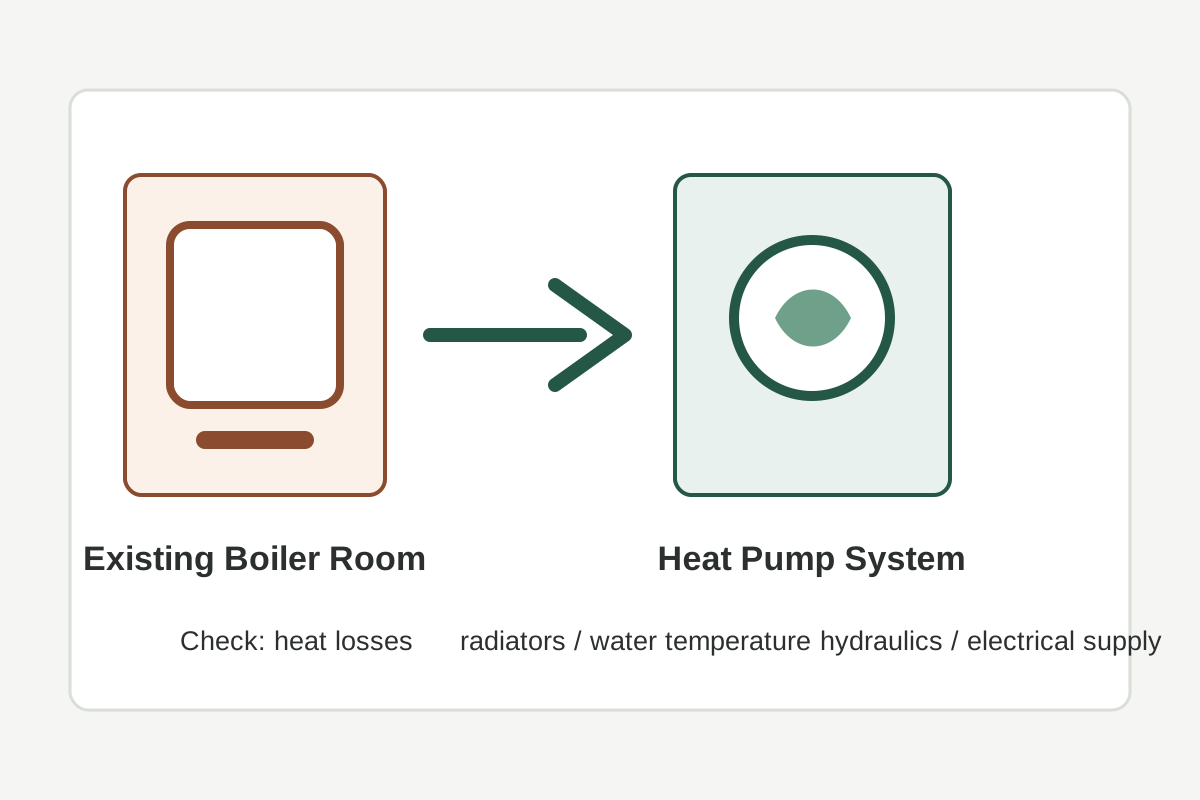
Before selecting the unit, the building, radiators, pipework, domestic hot water, electrical supply and hydraulic arrangement must be checked. The mild Cyprus climate helps in many cases, but it does not fix an unchecked system.
Where this solution fits
This solution fits homes where the existing boiler room is old, inefficient, difficult to maintain or due for replacement. It also fits renovations where the owner wants a more modern heating approach, and small developments where the mechanical space can be redesigned.
It is a common discussion in Nicosia and across Cyprus, especially in houses with existing radiator networks. However, not every existing installation is ready for a heat pump. If the building has high heat losses, undersized radiators or a network that depends on high water temperature, additional work may be needed.
That work may include larger radiators, selected fan coils, insulation improvements, hydraulic separation, cleaning, filtration or control upgrades. The correct answer depends on the condition of the building and the existing heating network.
What must be checked before installation
The first check is heat loss. Replacing an old boiler with a heat pump of similar nominal size is not good engineering. Many old boilers were oversized. A heat pump should be selected according to the actual building load and the intended operating temperatures.
The second check is radiator sizing. The radiators must be able to deliver enough heat at water temperatures that are sensible for heat pump operation. If the radiators are too small, the system may demand higher temperatures and the heat pump may not operate as intended.
The third check is domestic hot water. If the heat pump will also heat a cylinder, the cylinder size, coil surface, usage pattern and installation space need to be reviewed. Domestic hot water is often where weak designs become obvious.
The fourth check is hydraulics. Strainers, magnetic filters where appropriate, expansion vessels, safety valves, air removal, pumps, bypass arrangements or buffer volume may need to be discussed. Older systems can contain sludge, debris or restrictions that should not be pushed through new equipment.
The fifth check is electrical supply and location. Available electrical capacity, protection, outdoor unit position, condensate drainage, airflow and maintenance access all matter. A technically correct heat pump installation is not only the unit itself.
Common mistakes
A common mistake is preparing a quote from a photo of the old boiler only. Photos help, but they do not show heat losses, radiator capacity, water flow, pipe condition or hot water demand. Another mistake is leaving the old system dirty, with no proper filtration or cleaning strategy.
Many projects also fail to check radiator operating temperature. If the homeowner expects the same behaviour as a high-temperature boiler, the system may feel different. A heat pump is normally better with stable operation and proper controls.
It is also poor practice to promise exact savings without project data. Results depend on the building, usage, operating temperatures, installation quality and commissioning.
Practical recommendation
Before replacing a boiler room, collect the basic information: heated areas, radiator types and sizes, age of installation, photos of the boiler room, domestic hot water needs and available electrical supply. Drawings or previous mechanical information are useful if available.
For plumbers and installers, the scope should include more than the heat pump. Filters, expansion volume, circulation, air removal, controls, commissioning and balancing all affect the final result.
If the boiler room serves more than one zone, the review should be even more careful. It should be clear which spaces are heated, which zones operate together, what controls already exist and how the network will behave when the heat source changes.
Conclusion and CTA
A boiler-room replacement with a heat pump can be a clean and practical heating upgrade when the existing system is checked properly. Contact Thomas Moudouros Ltd with photos, drawings or basic installation details so the technical review starts from real information.