

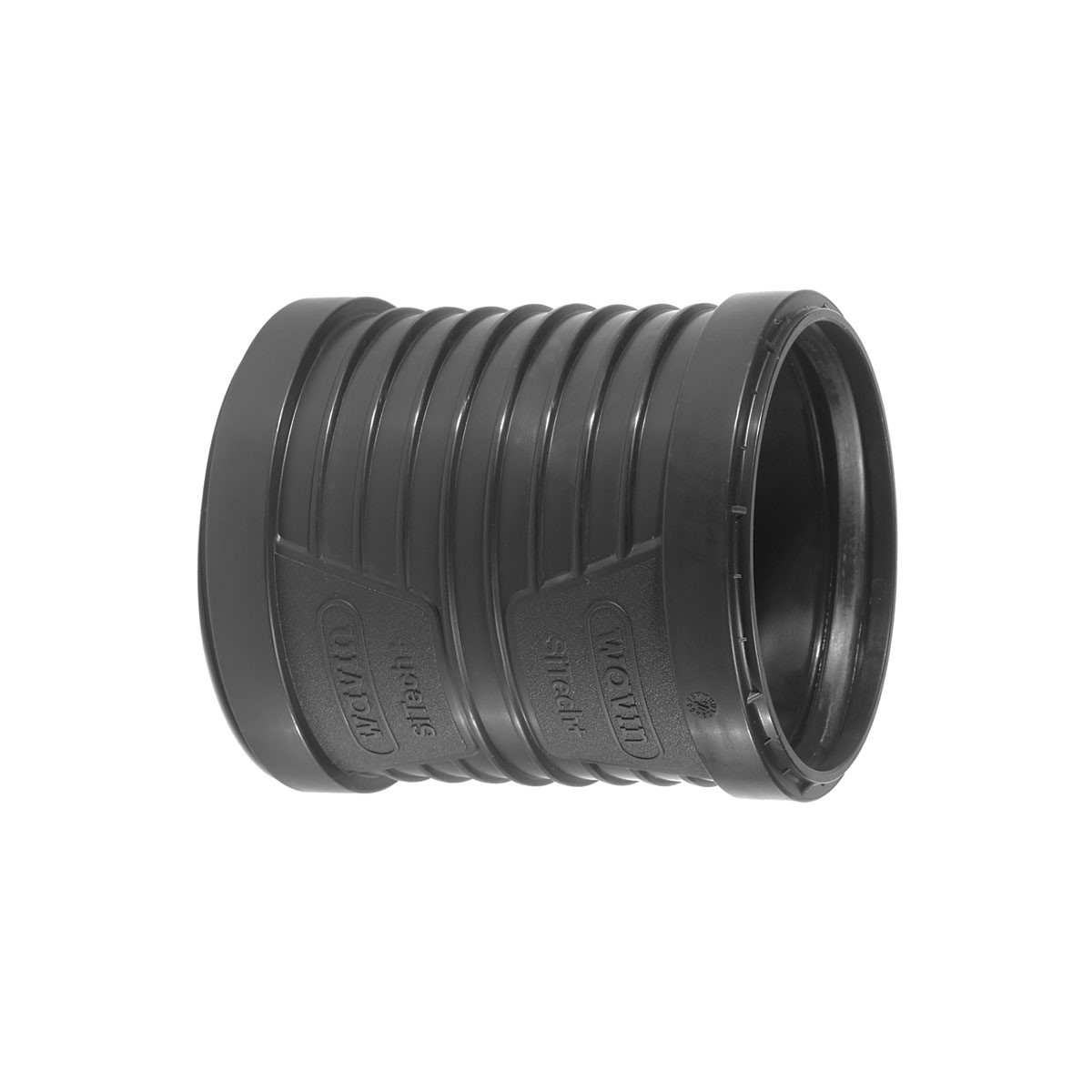
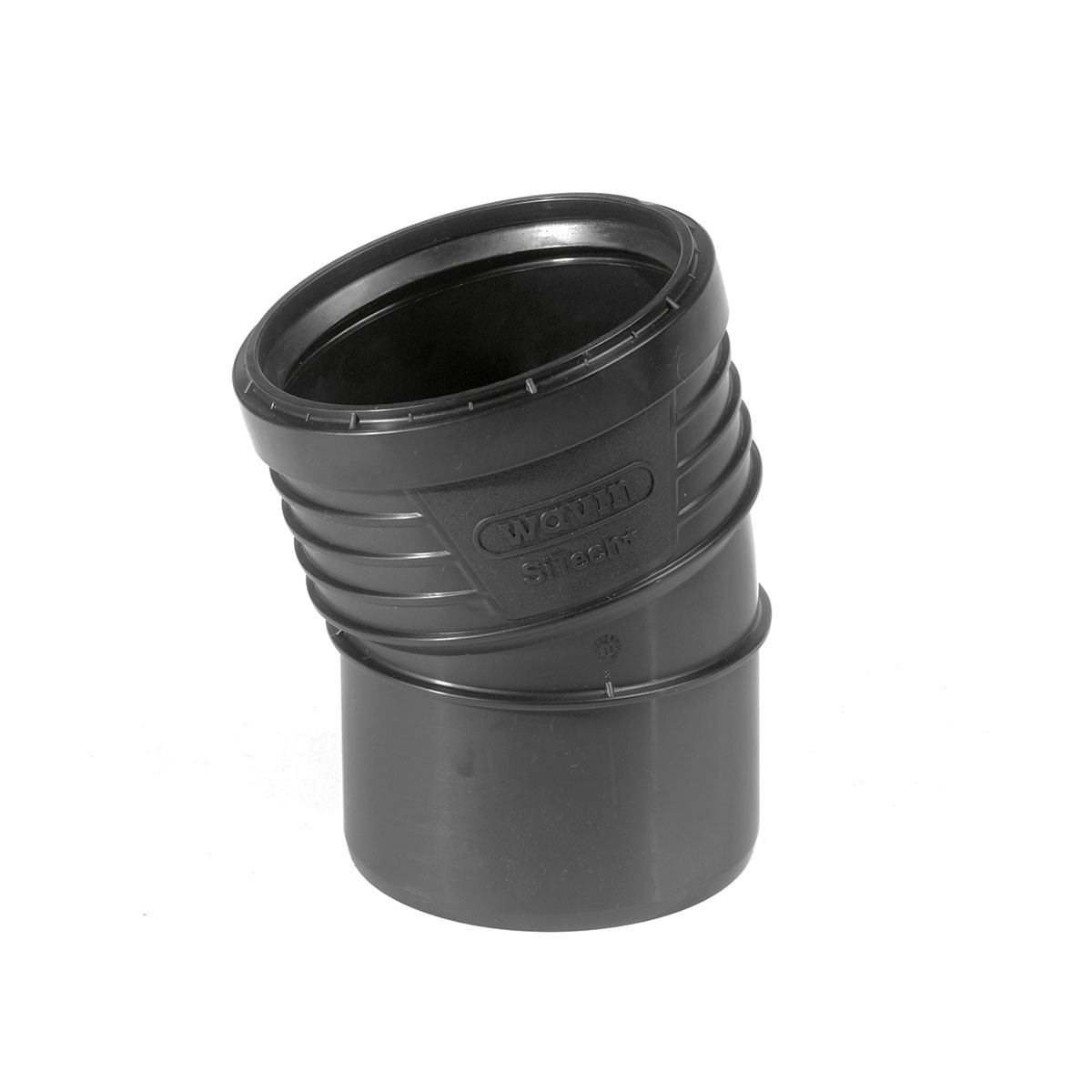

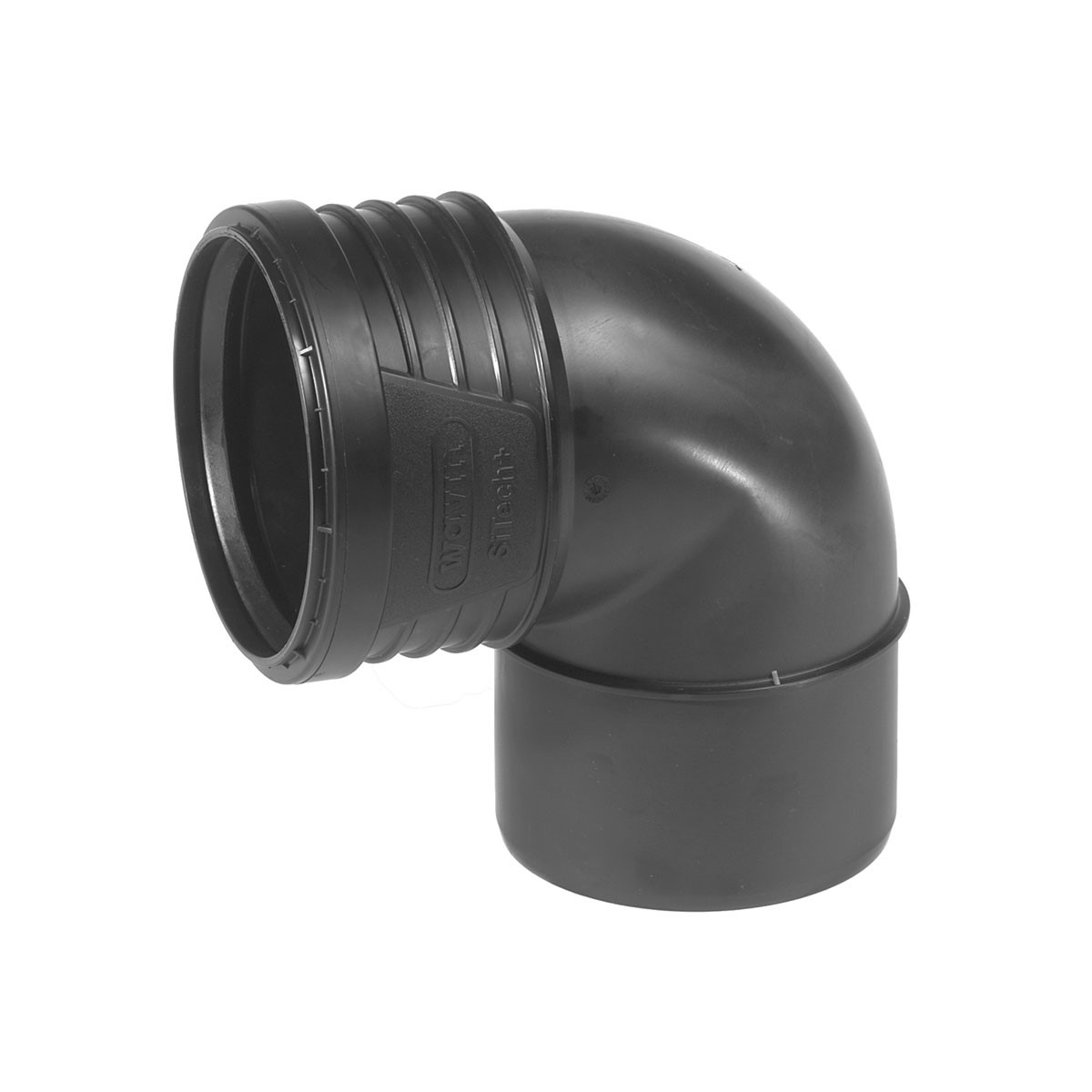
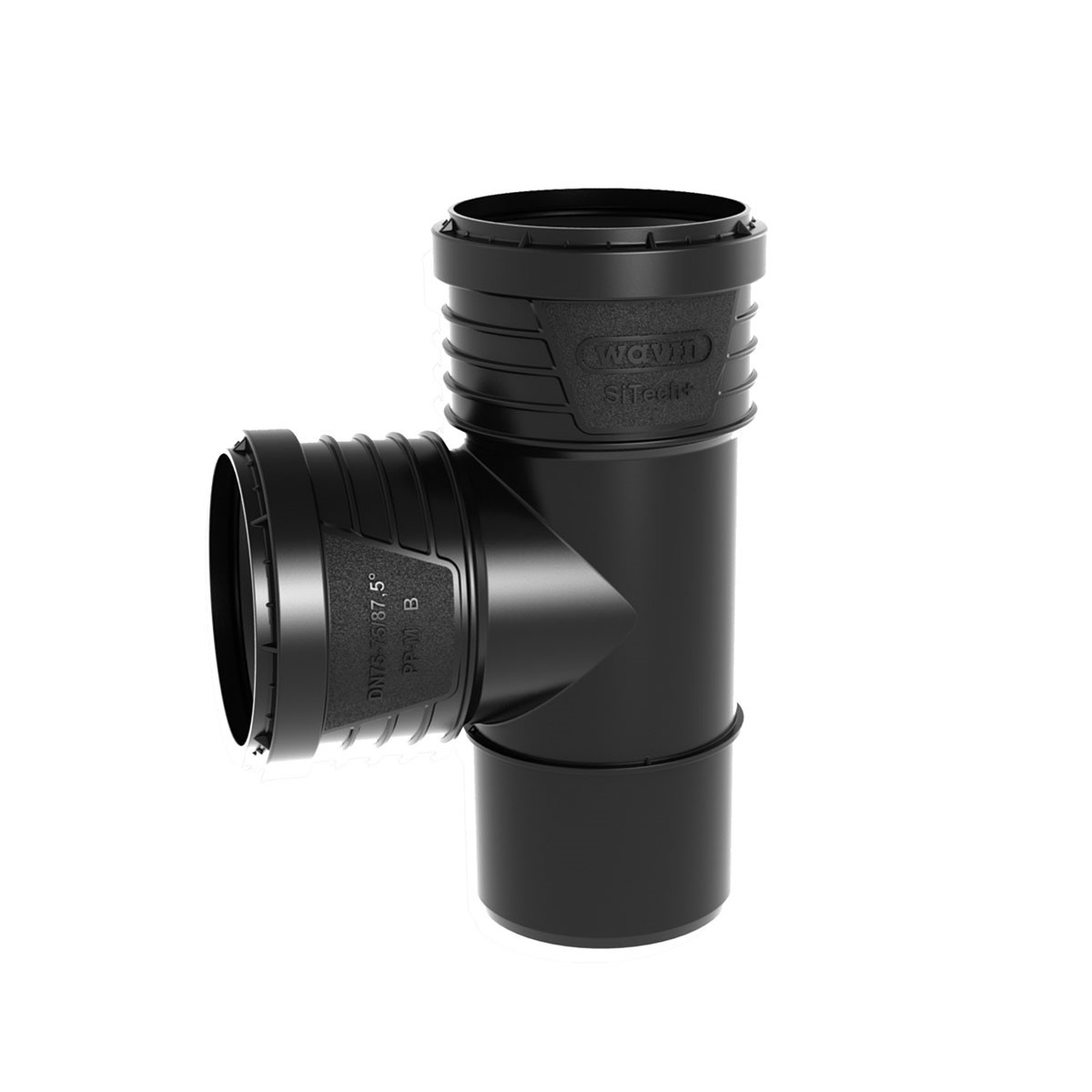
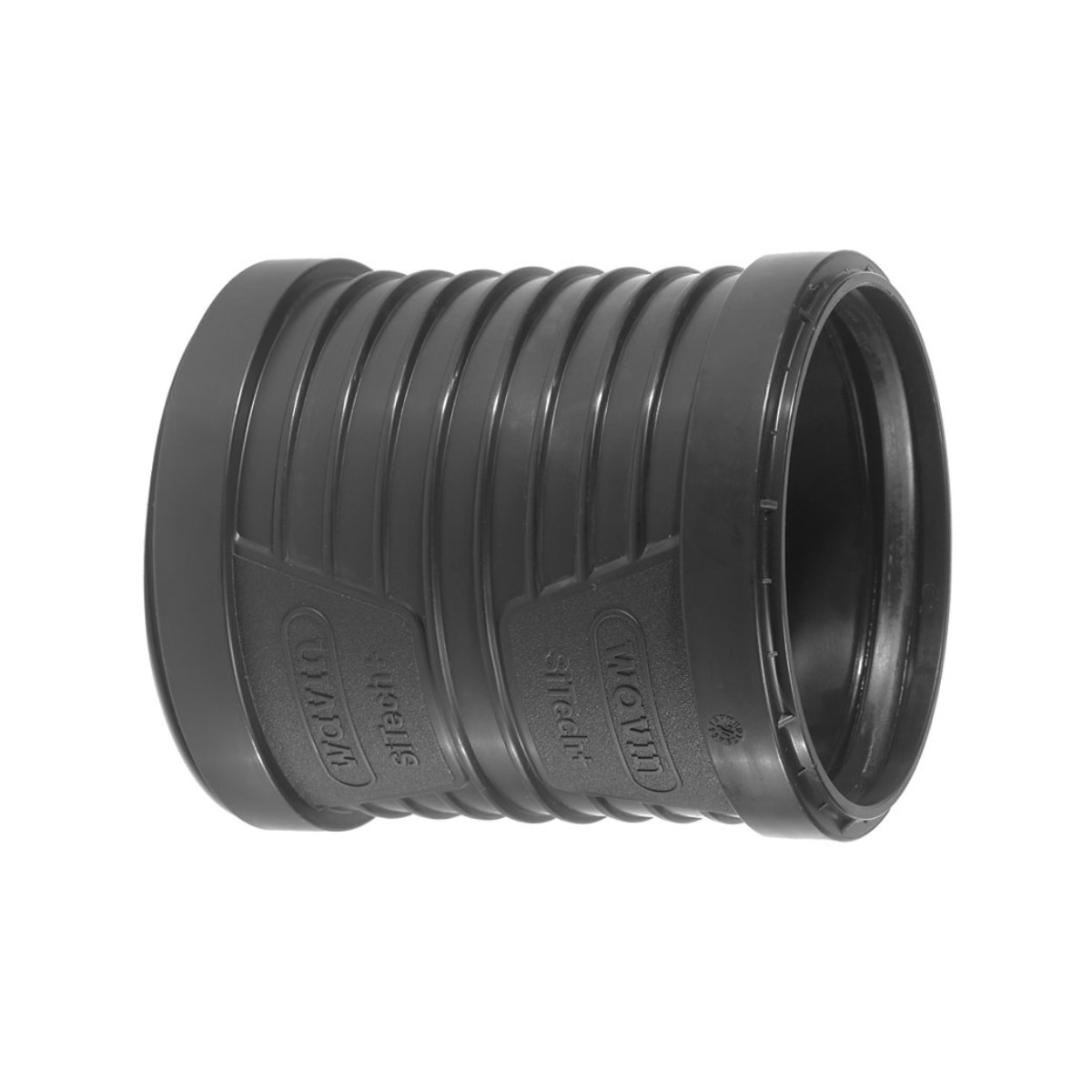
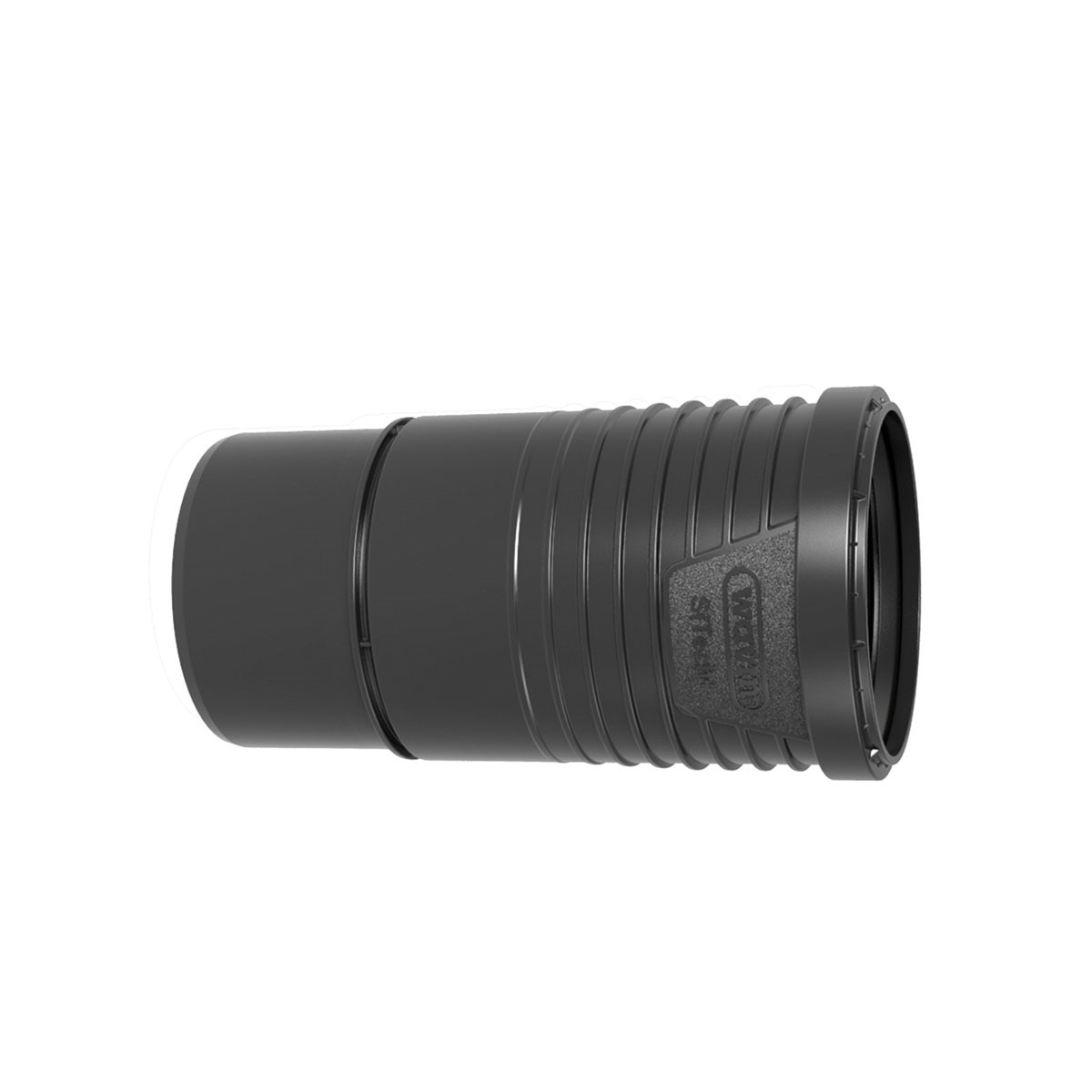
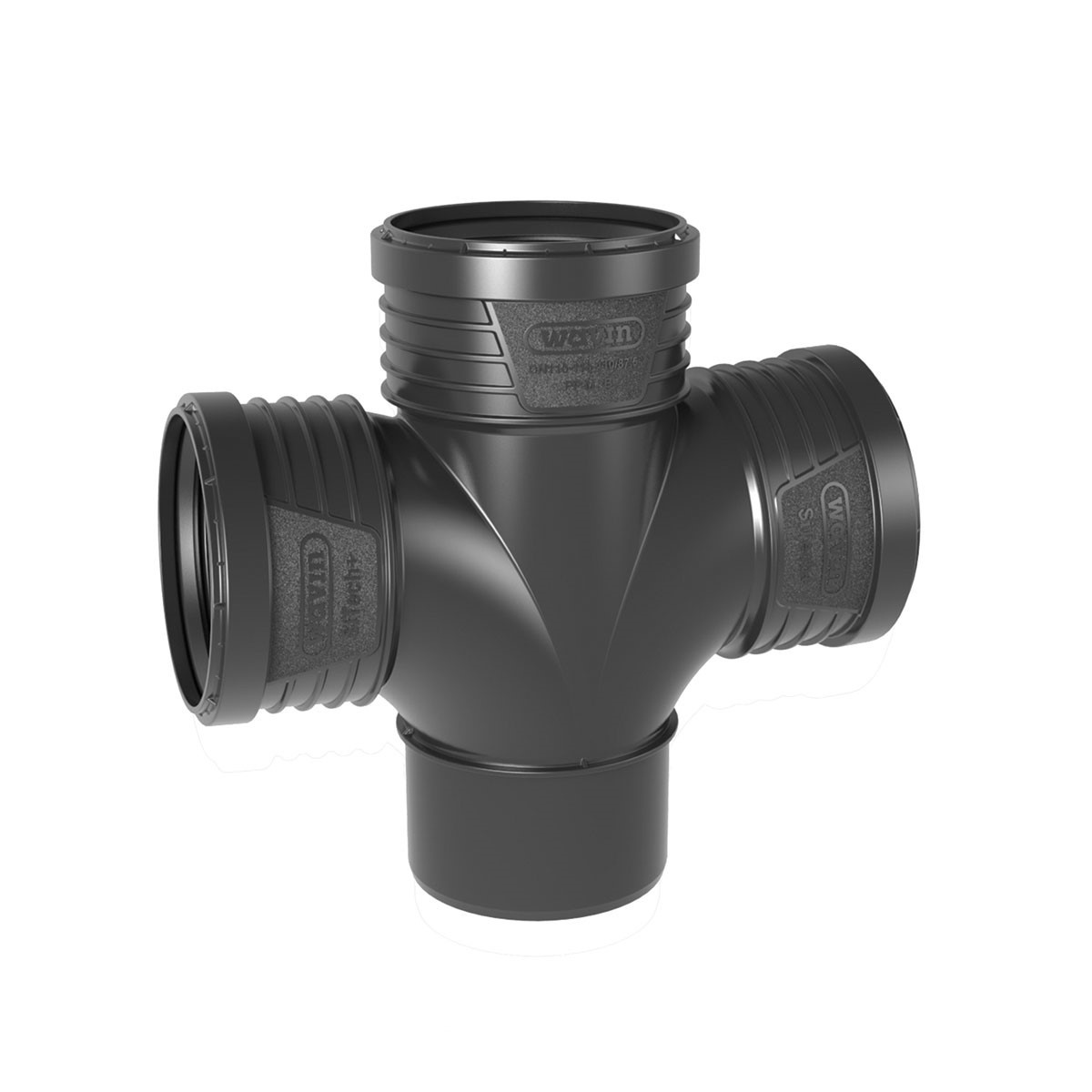

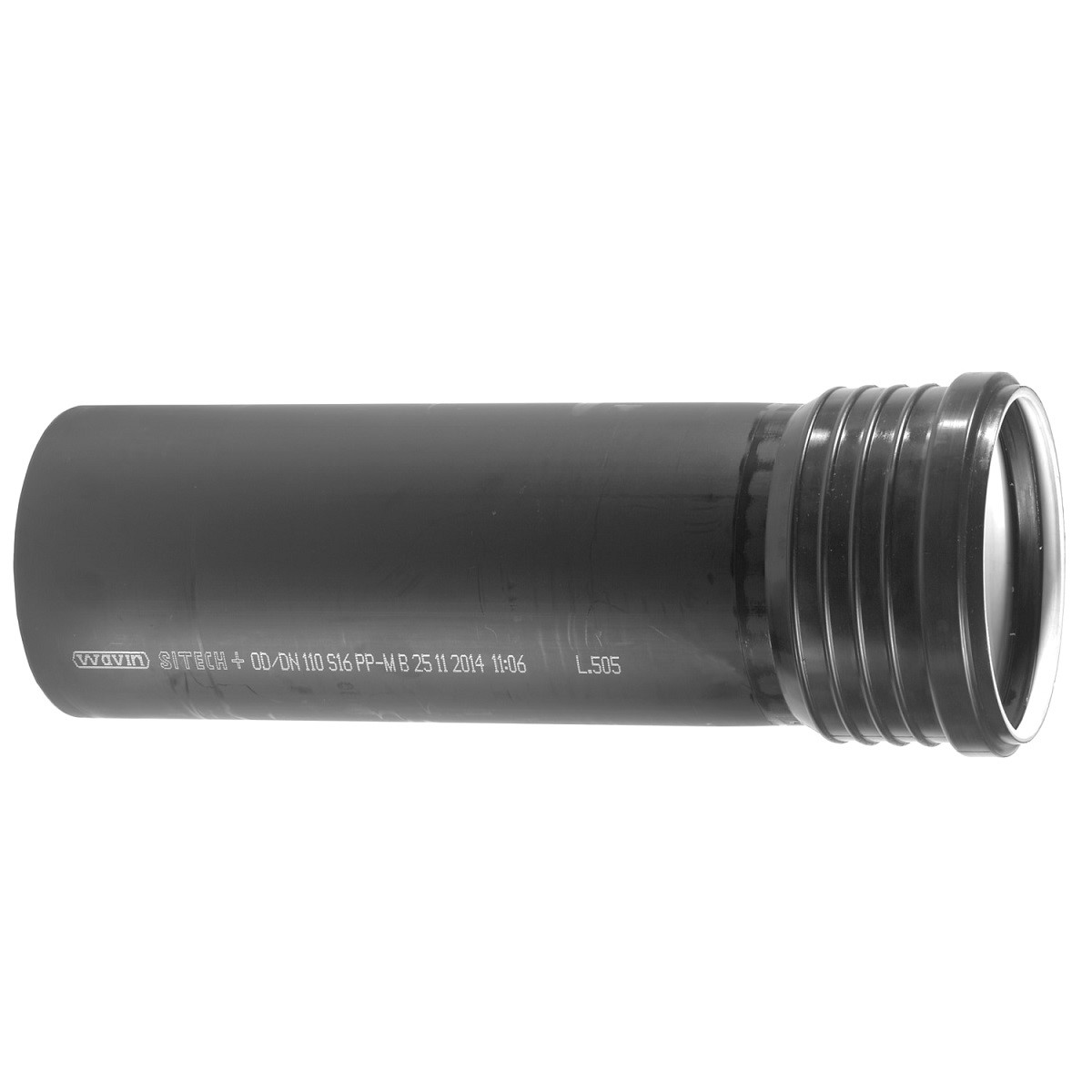
Acoustic drainage pipes and fittings for homes, apartments, hotels and commercial projects in Cyprus. Acoustic performance is a system issue, not a property of one pipe alone: route, fittings, brackets, penetrations, shafts and surrounding building construction all influence the result.
Size the drainage hydraulically first
An acoustic pipe system still has to satisfy the hydraulic requirements of the drainage design. Diameter, branch arrangement, stacks, ventilation and gradients should come from the sanitary drainage design rather than from the acoustic product range.
Do not reduce or alter a required diameter simply because an acoustic system is available in a convenient size.
Treat pipe, fittings and supports as one system
Where possible, keep pipes, fittings, seals and recommended supports within the compatible manufacturer's system. Transitions to other materials should be deliberate and accessible where future inspection may be required.
Support spacing, bracket type and the way the pipe is fixed to the structure can affect both mechanical reliability and transmitted noise. Follow the selected system's installation instructions instead of applying generic bracket assumptions.
Route selection can be as important as the product
Avoid placing major drainage stacks against noise-sensitive rooms when the building layout allows a better route. Shafts, wall build-ups and service penetrations should be considered together with the drainage system, particularly in apartments, bedrooms, hotel rooms and offices.
An acoustic pipe alone cannot compensate for poor routing, rigid structure-borne connections or incomplete shaft construction.
Keep inspection and maintenance access
Acoustic treatment should not make cleaning or inspection points inaccessible. Maintain practical access to service locations and coordinate concealed pipework before walls and ceilings are permanently closed.
What to send for acoustic-drainage selection
Send floor plans or a riser diagram, stack locations, known pipe diameters, number of floors, the rooms adjacent to the drainage route and any project-specific acoustic requirement. If a particular acoustic system has already been specified, include the specification or product family.
Thomas Moudouros Ltd can then match pipes, fittings and compatible accessories to the actual drainage layout without inventing a universal acoustic rating.
SITECH acoustic pipes and fittings in the catalogue
The current range includes SITECH 50 mm pipes, 110 mm pipes, sockets, elbows, branches and other fittings. Start with the drainage design, then identify the exact pipe and fitting references required for each stack and branch.
Keep supports, connections and installation details aligned with the selected manufacturer's system. A pipe's nominal diameter or acoustic name is not a verified noise rating for the complete building. Request the applicable technical document where a project specifies an acoustic target.
Use the Drainage Planner to describe internal, buried or external drainage and flag acoustic requirements. It prepares a project enquiry; it does not calculate the required diameter or certify acoustic performance.